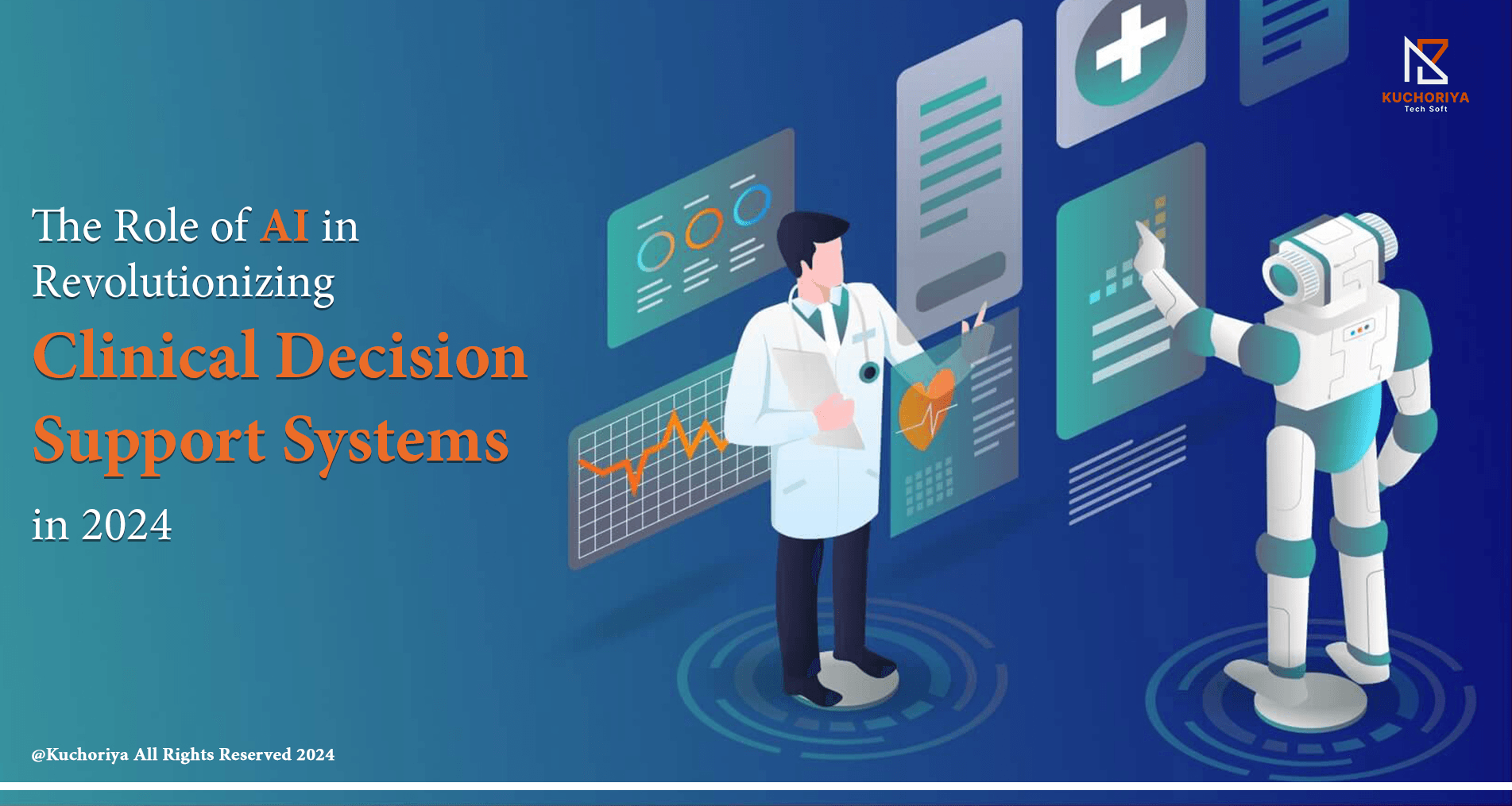
AI in Clinical Decision Support Systems refers to the use of advanced algorithms and machine learning models to assist healthcare professionals in making more informed clinical decisions. These systems analyze patient data, medical literature, and clinical guidelines to offer recommendations on diagnoses, treatment plans, and patient management. By doing so, AI-enhanced CDSS aims to reduce human error, enhance diagnostic accuracy, and improve overall healthcare delivery.
1. IBM Watson Health
2. Google Health AI
3. Philips IntelliSpace AI
4. Aidoc
5. Zebra Medical Vision
Ideation: Defining Uniqueness and Audience
The first step in developing AI solutions for CDSS involves identifying the unique needs of the target audience, which includes clinicians, radiologists, and healthcare administrators. This stage focuses on understanding the specific clinical challenges and defining how the AI solution can address these needs effectively.
Market Research: Insightful Analysis for Strategic Positioning
Comprehensive market research is crucial to identify existing solutions, market gaps, and opportunities for innovation. This analysis helps in positioning the AI solution strategically to meet the demands of the healthcare industry.
Design: Crafting an Intuitive User Interface
Designing an intuitive user interface is essential for ensuring that healthcare professionals can easily navigate and utilize the AI-enhanced CDSS. The design process involves creating user-friendly interfaces that present complex data in an accessible and actionable format.
Development: Bringing Ideas to Life with Agility
The development phase involves coding and integrating AI algorithms into the CDSS. This stage requires a collaborative approach, with data scientists, software developers, and healthcare experts working together to create a robust and scalable solution.
Testing: Ensuring Seamless Functionality Across Platforms
Rigorous testing is essential to validate the accuracy and reliability of the AI solution. This includes testing the system across different platforms and clinical environments to ensure it functions seamlessly and provides consistent results.
Deployment: Introducing the App to the World
The final stage involves deploying the AI solution in clinical settings. This includes training healthcare professionals on how to use the system, providing ongoing support, and continuously monitoring the system's performance to make necessary adjustments.

Video Consultations
AI-enhanced CDSS can facilitate video consultations, allowing clinicians to remotely interact with patients and provide real-time medical advice. This feature is particularly useful for telemedicine and remote patient monitoring.
Secure Messaging
Secure messaging enables healthcare providers to communicate with patients and colleagues securely. AI can enhance this feature by analyzing messages for critical information and providing quick, automated responses.
E-Prescriptions
AI-driven e-prescription systems can suggest medications based on patient data and medical guidelines, reducing the risk of prescription errors and ensuring that patients receive the most appropriate treatments.
Health Data Integration
Integrating health data from various sources, such as electronic health records (EHRs), wearable devices, and lab results, AI can provide a comprehensive view of the patient's health, enabling more accurate diagnoses and personalized treatment plans.
Appointment Scheduling
AI can streamline appointment scheduling by analyzing patient data to determine the optimal times for follow-up visits, reducing no-show rates, and improving clinic efficiency.
Front-End:
HTML, CSS, JavaScript, React
The front-end tech stack includes HTML for structuring web content, CSS for styling, JavaScript for interactivity, and React for building dynamic user interfaces.
Back-End:
Node.js, Express.js, MongoDB
The back-end tech stack involves Node.js for server-side scripting, Express.js for building web applications, and MongoDB for managing data storage.
Database:
MongoDB, PostgreSQL
Databases like MongoDB and PostgreSQL are used to store and manage vast amounts of healthcare data, ensuring scalability and reliability.
Real-Time Communication:
WebRTC
WebRTC enables real-time communication capabilities, such as video consultations and secure messaging, essential for telehealth applications.
Security:
SSL/TLS, OAuth
Security technologies like SSL/TLS ensure data encryption during transmission, while OAuth provides secure authorization, protecting sensitive patient information.
Feature Set Complexity
The complexity of the feature set directly impacts development costs. Advanced features, such as predictive analytics and real-time data integration, require more sophisticated algorithms and development effort, increasing costs.
Design and User Experience (UX)
Investing in a high-quality design and user experience is crucial for the adoption of AI solutions in healthcare. Custom designs and intuitive interfaces may increase initial costs but are essential for long-term success.
Back-End Development Complexity
Complex back-end systems that integrate various data sources and provide real-time analytics require significant development resources. This includes setting up databases, APIs, and server infrastructure.
Developing a responsive and user-friendly front end involves creating interfaces that are easy to navigate for clinicians. This process includes coding, testing, and optimizing for different devices and screen sizes.
Geographical Location of the Development Team
The cost of development can vary based on the geographical location of the development team. Teams based in regions with lower labor costs can offer more competitive pricing, while those in high-cost regions may charge premium rates.

Selecting the right AI solutions provider involves evaluating their expertise, experience, and track record in healthcare technology. Key factors to consider include:
- Technical Expertise: Ensure the provider has a deep understanding of AI technologies and healthcare regulations.
- Experience: Look for providers with a proven track record in developing AI solutions for healthcare.
- Customization: The provider should offer customized solutions tailored to your specific clinical needs.
- Support and Maintenance: Continuous support and maintenance are crucial for the successful implementation and operation of AI systems.
- Client References: Check references and case studies to assess the provider’s performance and client satisfaction.
Kuchoriya TechSoft stands out as a premier AI solutions provider for CDSS development due to our:
- Proven Expertise: With extensive experience in AI and healthcare technology, we deliver solutions that make a tangible impact.
- Innovative Solutions: Our AI applications are at the forefront of healthcare innovation, designed to meet the evolving needs of clinicians.
- Client-Centric Approach: We prioritize the unique requirements of each client, ensuring our solutions provide maximum value and effectiveness.
- Comprehensive Support: From development to deployment and beyond, we offer continuous support to ensure the success of your AI initiatives.
- Strong Reputation: Our successful projects and satisfied clients are a testament to our commitment to excellence and innovation.
AI is revolutionizing Clinical Decision Support Systems by providing advanced tools for diagnosis, treatment, and patient management. By leveraging AI, healthcare providers can enhance clinical decision-making, reduce errors, and improve patient outcomes. As the healthcare industry continues to evolve, the adoption of AI solutions will play a crucial role in shaping the future of healthcare delivery.

Joining the Kuchoriya TechSoft Referral Partner Program is a great opportunity for individuals and businesses to collaborate with a leading technology company specializing in healthcare solutions. By becoming a referral partner, you can contribute to advancing healthcare technology while earning competitive commissions for each successful referral. Here’s why you should consider becoming a Kuchoriya TechSoft Referral Partner:
Benefits of Becoming a Referral Partner
- Competitive Commissions: Earn attractive commissions for every new client you refer who engages with our AI solutions and healthcare technology services.
- Professional Network Expansion: Connect with healthcare professionals, technology experts, and industry leaders, expanding your professional network and opening doors to new opportunities.
- Contribute to Innovation: Be a part of groundbreaking advancements in healthcare technology by promoting innovative AI solutions that improve clinical decision-making and patient outcomes.
- Comprehensive Support: Receive dedicated support and resources from Kuchoriya TechSoft to help you succeed in your referral efforts, including marketing materials, training, and personalized assistance.
- Recognition and Rewards: Enjoy recognition for your contributions and earn rewards for your efforts in driving successful referrals and helping us achieve our mission.
How to Join
Joining our referral program is simple and straightforward. Follow these steps to become a Kuchoriya TechSoft Referral Partner:
- Register: Visit our Referral Partner Registration Page and complete the registration form with your details.
- Get Approved: Our team will review your application and approve your registration. You will receive an email confirmation with further instructions.
- Start Referring: Once approved, you will receive a unique referral link and access to our referral resources. Start sharing the link with your network and referring potential clients to Kuchoriya TechSoft.
- Earn Commissions: For every successful referral, you will earn a commission. Track your referrals and commissions through our easy-to-use partner portal.
Join us in transforming healthcare through innovative technology solutions. Become a Kuchoriya TechSoft Referral Partner today and make a difference in the healthcare industry while enjoying the benefits of our rewarding program. For more information and to get started, visit our Referral Partner Registration Page.
Question: What are Clinical Decision Support Systems (CDSS)?
Ans: CDSS are technology systems that assist healthcare providers in making informed clinical decisions by analyzing data and providing evidence-based recommendations.
Question: How does AI improve CDSS?
Ans: AI enhances CDSS by leveraging machine learning and data analytics to provide more accurate, timely, and personalized clinical recommendations.
Question: What are the key benefits of using AI in healthcare?
Ans: AI offers numerous benefits, including improved diagnostic accuracy, streamlined workflows, enhanced patient outcomes, and reduced healthcare costs.
Question: How can I choose the right AI solutions provider?
Ans: Consider factors such as the provider’s expertise, experience, customization options, support services, and client references when selecting an AI solutions provider.
Question: Why should I choose Kuchoriya TechSoft?
Ans: Kuchoriya TechSoft offers innovative AI solutions, extensive industry experience, client-centric services, and comprehensive support, making us the ideal partner for your AI projects in healthcare.
For more information, click here: kuchoriyatechsoft.com/request-quote